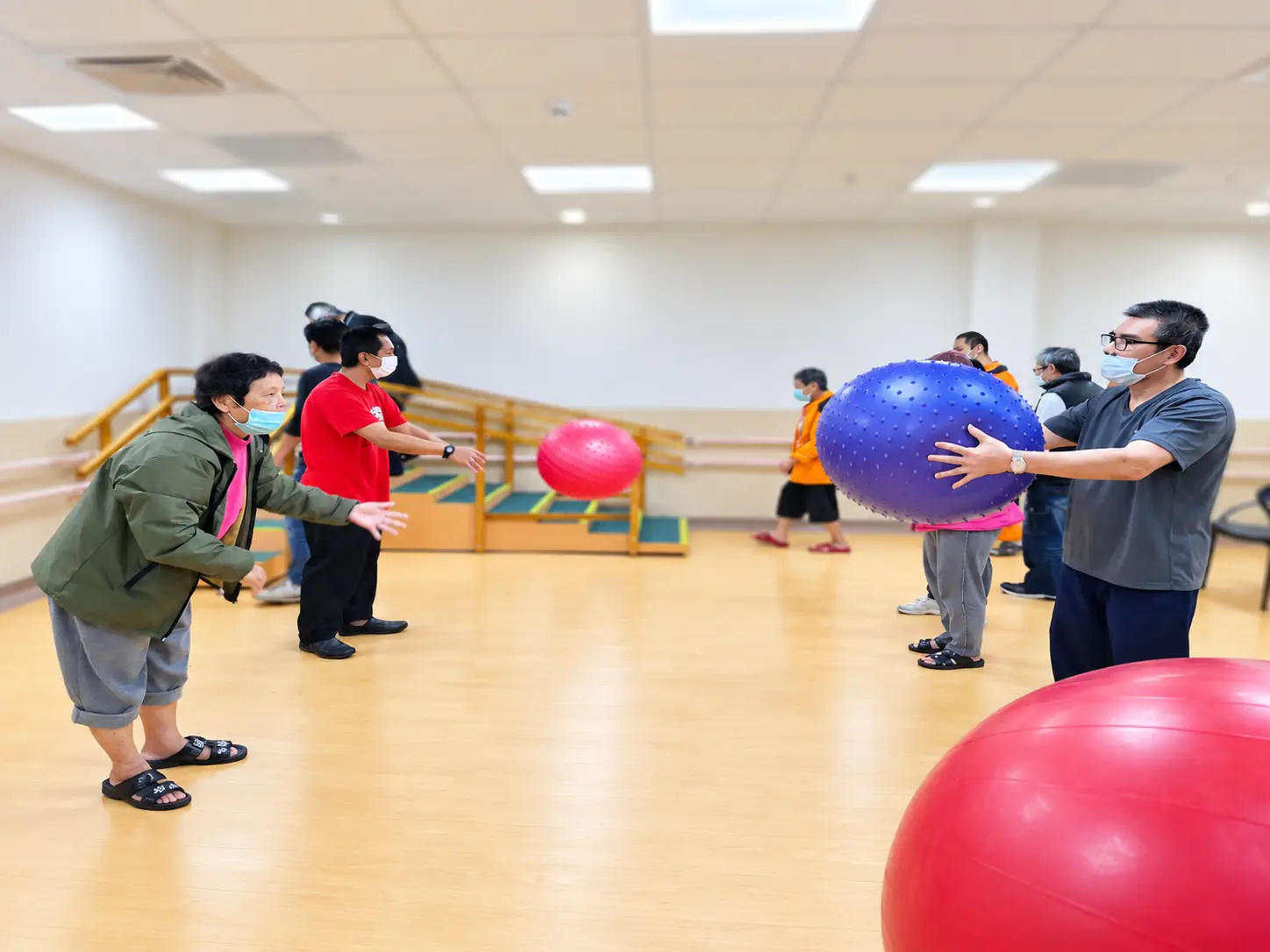
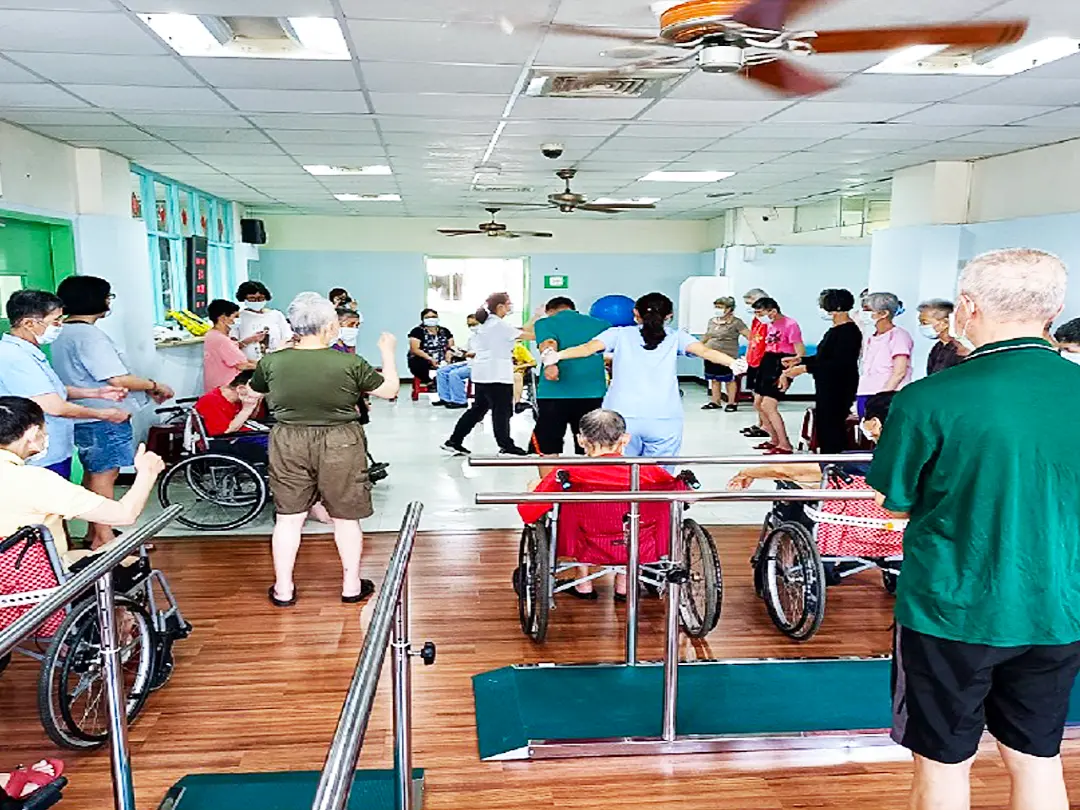
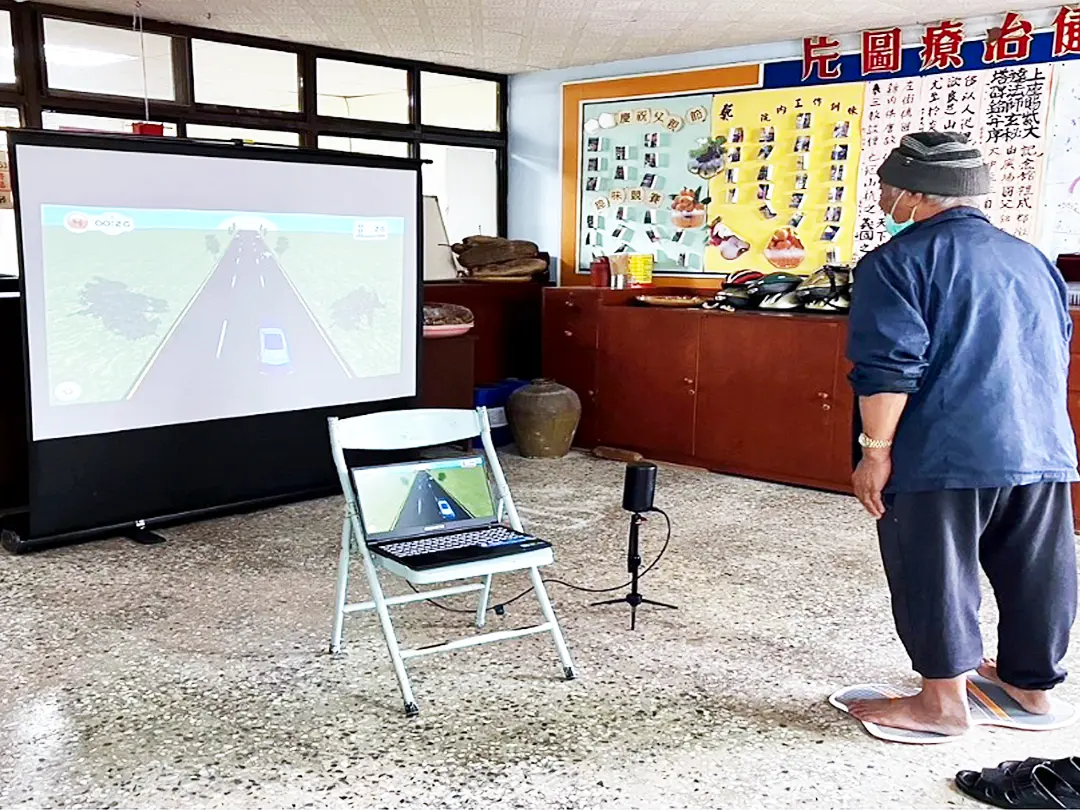
Patients with acute and chronic mental illnesses.
Residents receiving long-term care for mental illnesses (including psychiatric nursing homes and residential long-term care facilities).
Children and adolescents with mental illnesses
The Department is dedicated to a holistic and integrated approach to psychiatric rehabilitation. Guided by core values of compassion, sincerity, respect, proactivity, innovation, and a strong commitment to quality care, we have developed a distinctive “3C Rehabilitation Model” at Yuli Hospital, providing rehabilitation services that are Comprehensive, Continuous, and Constructive.
By integrating the two core missions of Cure and Care, the Department actively promotes long-term care for individuals with mental disabilities. In response to the implementation of long-term care policies and the aging of the resident population, the 3C Rehabilitation Model incorporates health promotion into daily life and reshapes four key domains of occupational living: health promotion and successful aging; psychological well-being and active aging; role development and self-fulfillment; and resource connection and community integration.
Through this approach, individuals with mental illness are supported in realizing their full potential and achieving a meaningful, balanced, and high-quality life in line with the HOPE L.I.F.E. philosophy.
Establishing a psychiatric long-term care framework integrating the HOPE L.I.F.E. and 3C rehabilitation models
Providing integrated services across psychiatric care, long-term care, and community-based rehabilitation
Implementing peer support, sheltered employment, and supported work training programs
Developing AI- and ChatGPT-assisted applications for therapeutic intervention and educational research
Provide a variety of occupational therapy activities and services, with an average annual participation of over 200,000 people.
Promote work training programs tailored to residents’ abilities, with over 13,000 participants annually.
Conduct individualized assessments to comprehensively understand patients’ functions, with more than 1,500 assessments performed each year.
Monitoring indicators are achieved 100% each year.
The overall average length of hospital stay is 93.15 days.
A total of 8 residents of the hospital are employed as in-house care workers.
Overall, incidents in our department account for approximately 0.85% of all incidents in the hospital.
Annual health check-ups for all staff reach 100%, and health screenings are also provided for participating meal service trainees.
By implementing an intelligent feedback system to reduce fall risk, falls in our department account for 1.28% of all hospital incidents
Employer satisfaction reaches a satisfactory level every year.
Patient activity satisfaction is ≥95% annually.
Positive coverage in society and the media increases year by year
Publish research in SCI/SSCI journals (e.g., PLOS ONE, Asian Journal of Psychiatry, European Journal of Psychotraumatology).
Apply AI/large language models (ChatGPT) in the design of therapeutic groups and medical education.
Present at international academic conferences.
Promote community integration and destigmatization for patients with mental illness.
Enhance the quality of life and independence of individuals with chronic mental illness.
Establish an integrated model of long-term care and occupational rehabilitation for mental health patients.