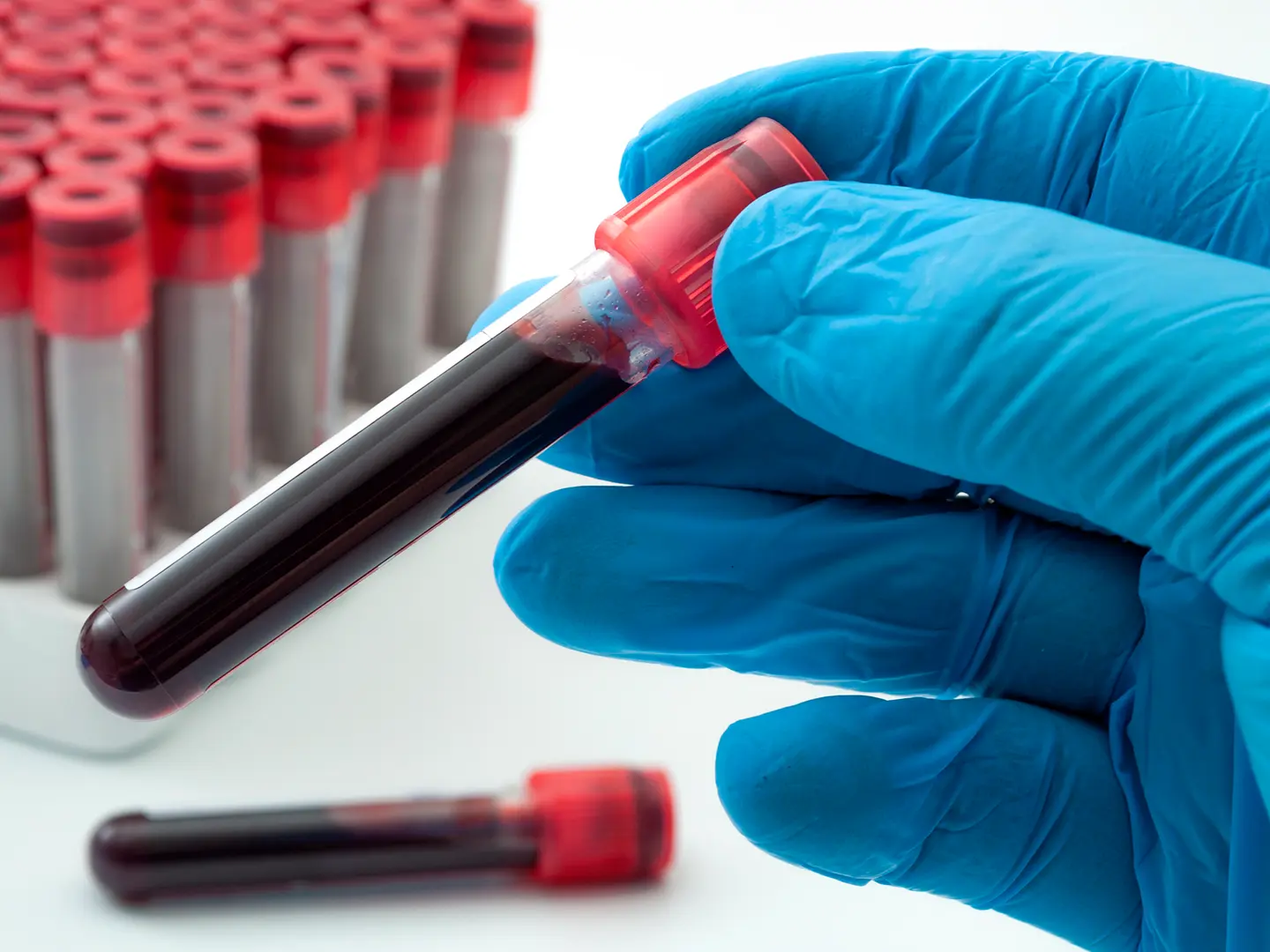
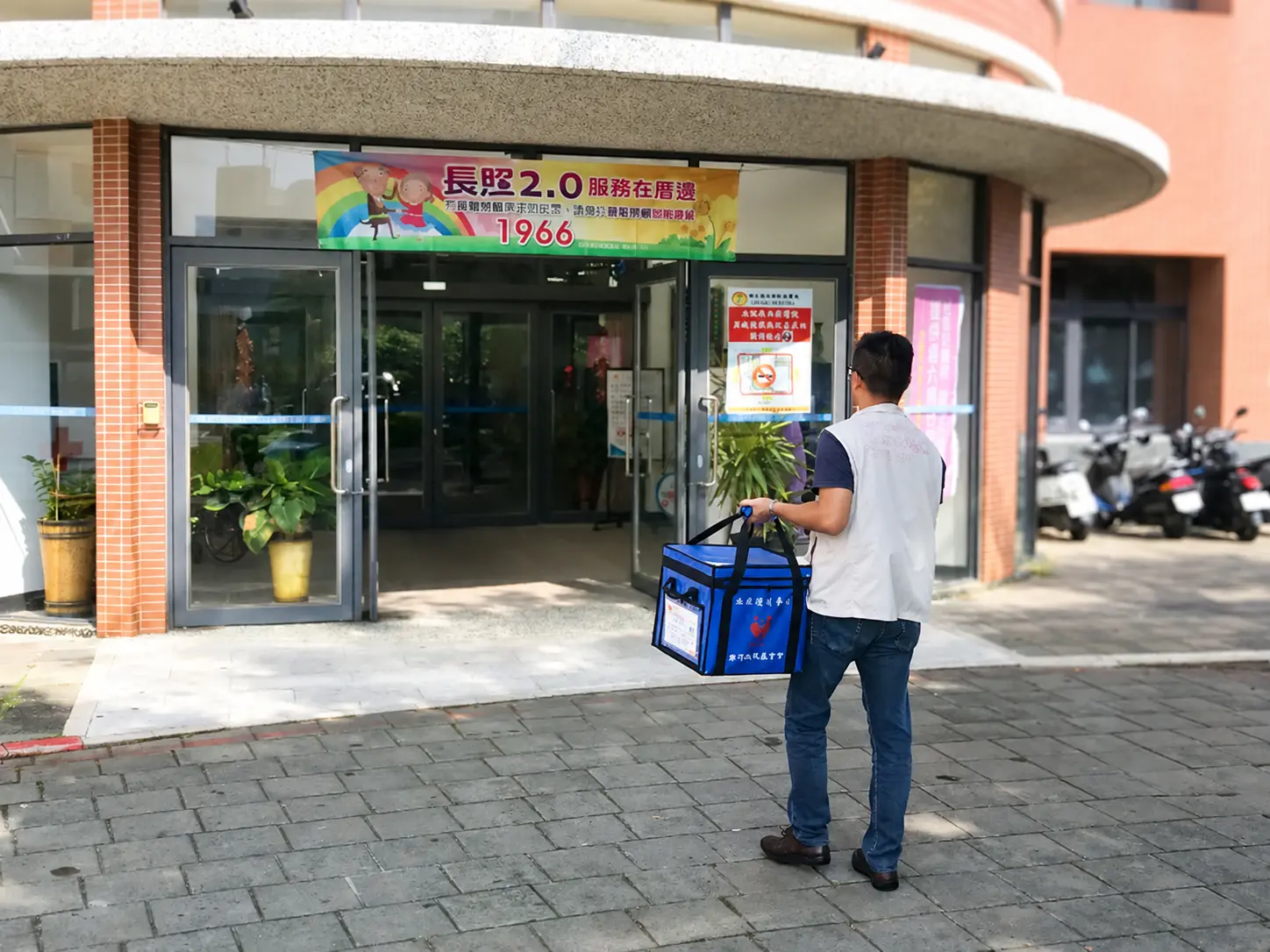
We serve blood donors across Kaohsiung City, Pingtung County, Penghu County, and Taitung County, as well as clinical patients requiring blood across approximately 180 medical institutions.
Kaohsiung Blood Center (KBC), the unique medical blood donation and supply institution in southern Taiwan, was established in 1976, responsible for the executive regions including Kaohsiung City, Pingtung County, Taitung County, and Penghu County. In order to facilitate blood donations, KBC expanded to 3 Blood Stations, 8 Blood Donation Rooms, 25 township circulation and hundreds of mobile donation points. To provide safe and high quality blood components, KBC applies the most sophisticated instruments in laboratory tests and operation procedures that followed by well defined cold chain standards strictly.
Our Blood Center and Blood Stations open around the clock through the whole year, and maintain blood transportation network and mutual aid mechanisms among hospitals to achieve the goal of 100% medical blood supply. To optimize playing the guardian angel for the people living in the offshore islands and remote areas, we keep supplying blood to save lives as our most important task, no matter how heavy the challenge we are facing.
Utilizing a predictive analysis system for precise blood demand forecasting: By evaluating actual hospital blood consumption over the past 5 years and projecting clinical growth, the blood demand for the upcoming year is calculated and then distributed into monthly blood collection plans.
Pioneering a "Real-Time Monitoring and Early Warning System":ensure a 100% balance between supply and demand.
Diversified and innovative strategies to stabilize blood supply:(1) Introducing the innovative "Real-Time Blood Donation Queueing Information System" to display current wait times instantly.(2) Leading the industry by offering online appointments for whole blood donations; donors can check crowd density via mobile or web.(3) Launching "I Am Young, I Donate Blood" campaigns to actively cultivate new donor pools.(4) Promoting regular, designated, and quantitative blood donations.(5) Deploying "Pepper," the world's very first blood donation service robot.
Proactive outreach to remote areas and mission-critical disaster response:(1) Overcoming geographical challenges to deliver blood products to remote areas and outlying islands.(2) Pioneering a mutual-aid blood supply network tailored for remote regions and outlying islands.(3) Establishing a daily proactive blood product rotation mechanism to guarantee blood availability for residents in Penghu and Taitung.
Comprehensively providing apheresis platelets screened with bacterial detection.
Utilizing a predictive analysis system for precise demand forecasting:Over the past five years, the forecasting error rate for whole blood has been maintained between 0.04% and 8.0%, with the error percentage in 2018 being virtually zero.
The "Blood Inventory Monitoring and Early Warning System" actively projects blood stock levels on a daily basis based on the latest actual inventory, factoring in variables such as future estimated donations, clinical usage, and inter-center transfers.Beyond forecasting inventory levels for the upcoming week and 30 days to evaluate whether to trigger warning alerts, the system also serves as a critical reference for real-time, flexible donation adjustments during temporary blood shortages.
"Real-Time Blood Donation Queueing Information System": Since its launch, this system has served 107,148 individual visits. Online whole blood donation appointments: Currently, over 500 donors utilize online appointments each month.
Promoting regular, designated, and quantitative blood donations:In 2018, the fixed-site blood donation rate reached 62.6%.
Currently, we operate 1 fixed daily scheduled shipment to the remote region of Taitung, and 1 to 2 daily round-trip shipments to the outlying island of Penghu. For the Mutual-Aid Blood Supply Network, four dedicated groups have been established: the "Southern Frontier," "Offshore Islands," and "Mountain Communities" were formed in 2010, followed by the "Eastern Frontier" in 2016.
Long-term execution strategy for regular, designated, and quantitative donations:The fixed-site donation rate rose from 50.0% in 2011 to 62.60% in 2018. This indicates that out of every 10 units of blood collected, 6 come from proactive, repeat donors who consistently visit designated donation sites.
In 2018, the average blood inventory stood at 8.1 days.According to AABB recommendations, a safe inventory level is 3 days, and countermeasures must be initiated once stock falls to this threshold. Throughout the entire year of 2018, the blood inventory consistently remained above 5 days.
Proactive blood delivery service with a blood product rotation mechanism:The average daily volume delivered to remote Taitung is 85 units, with a platelet rotation rate of 22%–24%. For the outlying island of Penghu, the daily volume is 17 units, with a platelet rotation rate of 34%–52%.
Red blood cell antigen testing and establishment of a rare blood type database:Since the formal implementation of database screening in 2007, the total cumulative records of red blood cell minor (special) blood types have surpassed 620,000 entries.
Blood Donation Goal Management:
Monitored daily and presented at monthly staff meetings and semi-annual Management Review Meetings. Utilizing the PDCA (Plan-Do-Check-Act) approach, execution measures are continuously adjusted to establish a quality control mechanism that ensures a balance between supply and demand.
Blood Safety Control:
Periodically participating in domestic and international proficiency testing (PT) to ensure the reliability and credibility of blood testing results.
Regularly performing instrument qualification. Since August 2018, the Blood Management System has been utilized to monitor equipment calibration and validation, ensuring all instruments and devices undergo timely qualification.
Maintaining a blood cold chain process to guarantee the efficacy and safety of blood products.
Conducting transfusion medicine education and training programs in remote areas and outlying islands.
Blood Donation Satisfaction:
Hardware & Equipment compliance: 99%Interview Process compliance: 87%Donation Process compliance: 87%Service Attitude compliance: 92%Overall Compliance Rate: 89.7%.
Blood Supply Satisfaction:
Consulting Laboratory Services: 98%Counter Staff Blood Supply Service: 98%Blood Product Returns & Substitute Distribution Services: 96%Blood Product Supply & Delivery Services: 97%.
Full provision of apheresis platelets, leading the world in blood safety:
Based on WHO 2016 data on blood safety and availability, alongside information from various national websites. Our center achieves a 100% bacterial detection rate and a 100% supply rate.
Blood product cold chain management on par with global standards:
Adhering to the cold chain temperature requirements of the WHO and AABB, our rigorous protocols cover the entire lifecycle—from the initiation of collection, through componenet processing and storage, to the transportation network. This network leverages every available logistics resource, including airplane, rail, highway, express courier services, and taxis, ensuring every process fully complies with blood cold chain standards.
World-leading diversified services:
Fixed scheduling.
Daily deliveries to remote areas and outlying islands.
Healthcare mutual-aid networks.
Diversified and innovative strategies to stabilize blood supply—Guaranteeing blood availability for patients in Southern Taiwan, remote areas, and outlying islands.
Real-time searching to reduce patient wait times—Special antigen blood products.
Constructing an integrated multi-modal blood transportation network—Achieving timely delivery and mission-critical responsiveness.
"Blood Inventory Monitoring and Early Warning System"—Expansion to blood centers nationwide.