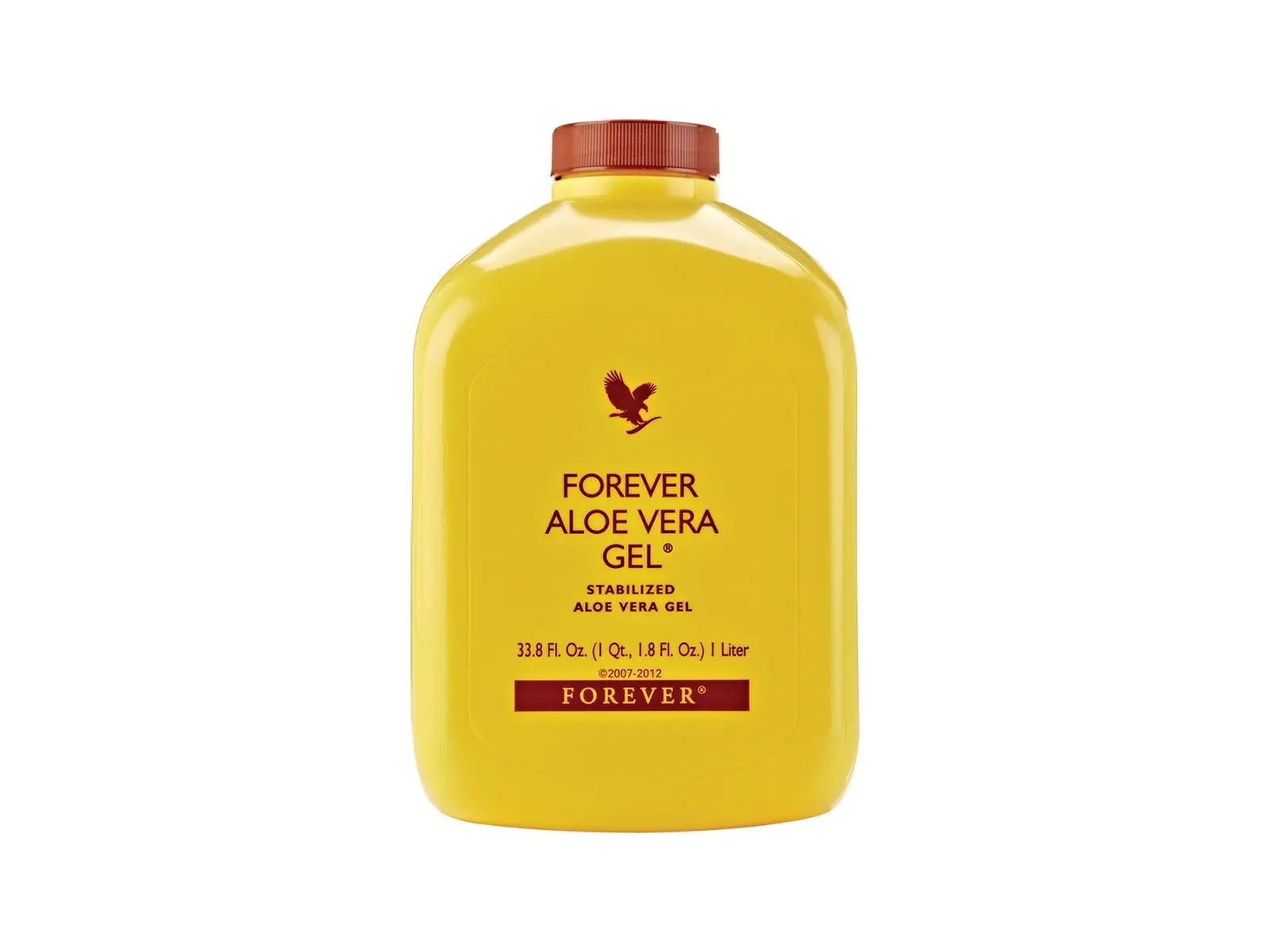
Forever Aloe Vera Gel is made with up to 96.2% aloe vera gel and contains aloe polysaccharides and other valuable compounds. As a daily nutritional supplement, it helps support digestive health and regularity. The product uses inner-leaf gel processing to remove the outer leaf and aloin, while a stabilization process helps preserve the natural nutrients of aloe vera. Each serving is made from more than 2 kg of fresh aloe vera leaves. From cultivation and harvesting to manufacturing, the entire process is managed under quality control and inspection standards. The product is tested for heavy metals, plasticizers, and pesticide residues, and undergoes multiple quality inspections. It can be consumed directly or mixed with water, juice, or daily meals, making it suitable for modern consumers with busy lifestyles as a daily wellness supplement.
Aloe vera gel (including aloe pulp), D-sorbitol (quality improver), citric acid, vitamin C (antioxidant), potassium sorbate (preservative), xanthan gum, and vitamin E (antioxidant).
Made from aloe vera leaves grown on company-owned farms with over 40 years of cultivation experience, using harvesting and stabilization processing technology. The product contains up to 96.2% aloe vera gel while retaining aloe polysaccharides and other beneficial compounds.
The product manufacturing process includes quality control procedures from raw material intake, blending and mixing, filling and packaging, to final product release. All raw materials are verified and approved by the Quality Control department before use, and all equipment undergoes cleaning and sanitization procedures prior to production. During manufacturing, raw material weighing verification, in-process homogeneity checks, and quality sampling inspections are conducted. Products may only proceed to the filling stage after Quality Control approval. During filling and packaging, inspections are performed every 30 minutes to verify fill volume, batch code, labeling, expiration date, foil seal integrity, and cap sealing conditions to ensure consistent product quality. The product is managed under a data-driven quality management system, with testing conducted on both raw materials and finished products, including pH, microbiological analysis, heavy metals, and aloin content, to ensure compliance with established specifications and quality standards.
The product undergoes multiple third-party safety and quality tests for both raw materials and finished products, including microbiological analysis, heavy metals, pesticide residues, and aloin content, to ensure compliance with quality and safety standards. Microbiological testing includes total plate count, yeast and mold, and E. coli, while heavy metal testing includes lead, cadmium, arsenic, and mercury. In addition, the product is subject to quality specification testing throughout raw material and manufacturing processes, including pH, active ingredient content, appearance, homogeneity, and stability evaluations, to maintain product consistency and consumption safety.
The product has established a risk management system covering raw material intake, manufacturing processes, finished product release, and post-market management. Before raw materials enter production, supplier documentation and quality inspections are conducted, including specification verification, microbiological analysis, and heavy metal testing, along with internal inspections and batch management procedures. During manufacturing, Standard Operating Procedures (SOPs) are followed for equipment cleaning and sanitization, raw material weighing verification, in-process sampling, and production line inspections. Products may proceed to the next stage only after approval by the Quality Control department. During filling and packaging, regular quality assurance inspections are conducted, including checks of fill volume, batch code, labeling, expiration date, and seal integrity to ensure product consistency and traceability. Finished products are released only after passing quality inspections and confirming compliance with established specifications. In addition, the company maintains cross-functional quality and risk management systems through ISO 9001 Quality Management, ISO 14001 Environmental Management, and ISO 45001 Occupational Health and Safety Management certifications, supporting continuous monitoring, deviation handling, and product safety management.