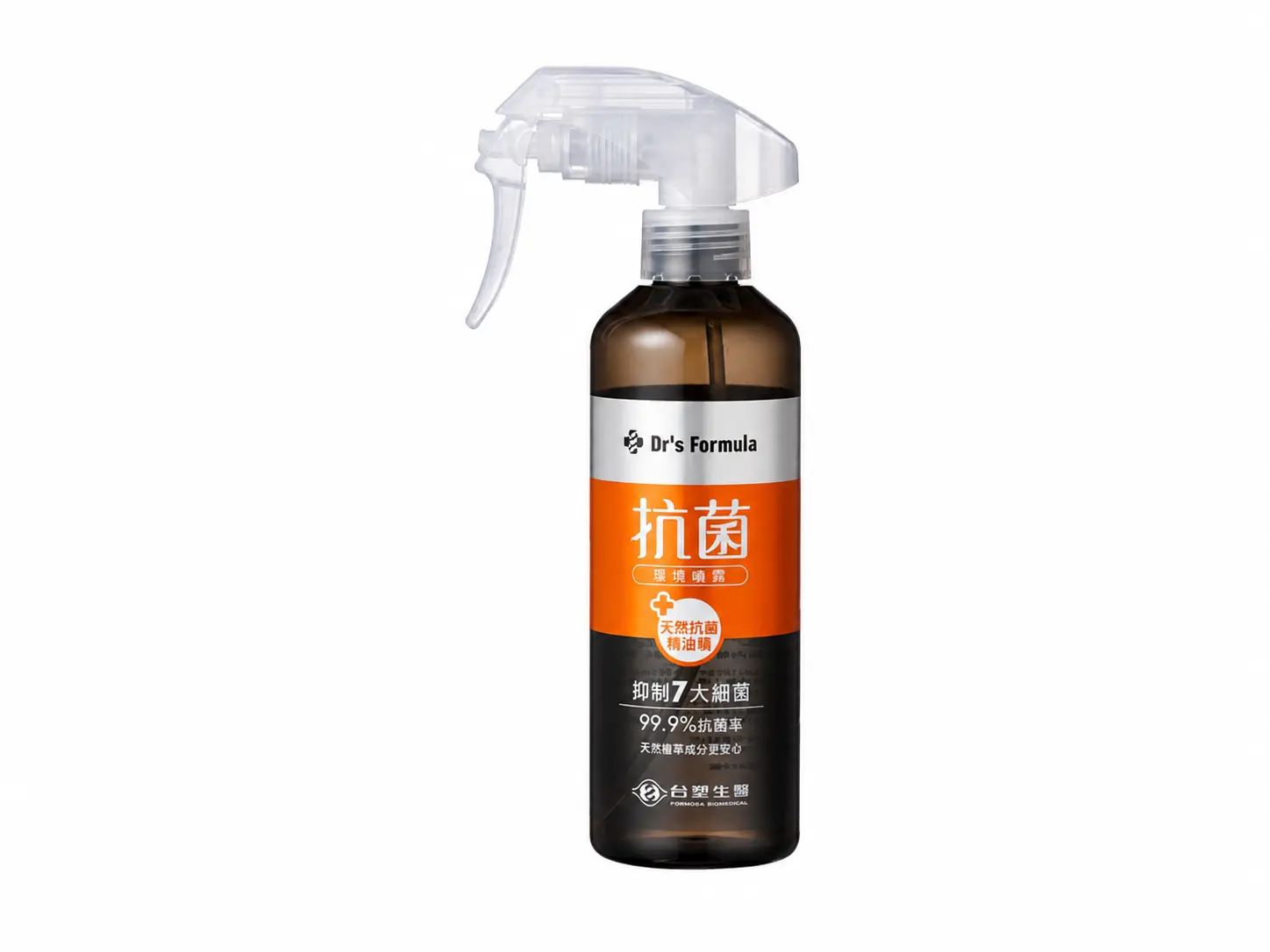
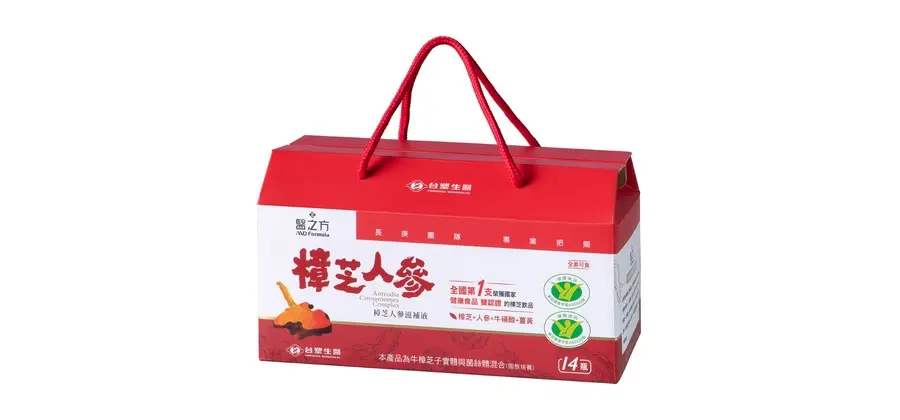
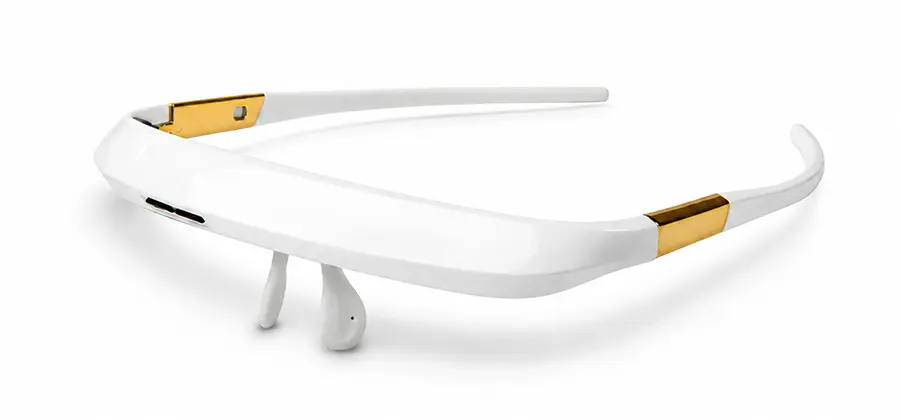
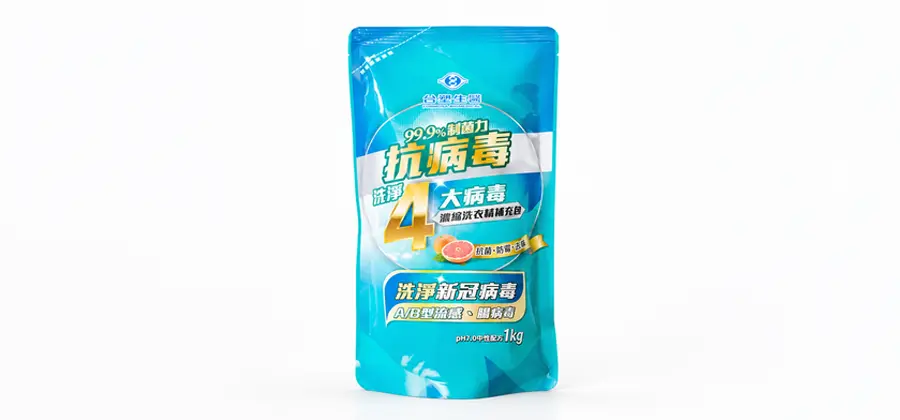
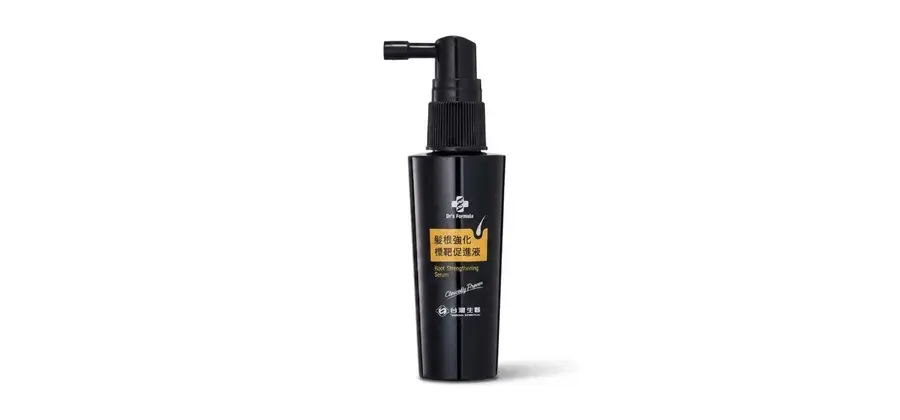
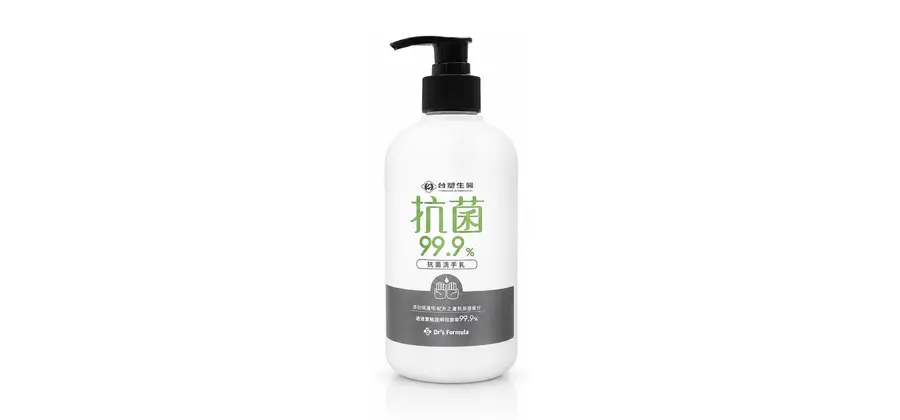
The Dr's Formula antibacterial protective spray produced by Formosa Biomedical Technology CORP. is a home protective spray product. It uses grapefruit seed extract, which is not only highly safe but also has high epidemic prevention properties.
It has been verified by SGS to be effective. Fight against a variety of common bacteria in life (E. coli, Staphylococcus aureus, Pseudomonas aeruginosa, Salmonella enterica, Acinetobacter baumannii, Candida albicans, drug-resistant Staphylococcus aureus, etc.).
It has been verified by the Research Center for Emerging Viral Infections of Chang Gung University that it can effectively suppress common epidemic viruses in Taiwan (covering mantle and non-mantle virus strains, such as coronavirus, influenza virus, enterovirus, avian influenza virus, etc.) in different seasons of the year. When sexually transmitted viruses and bacteria are prevalent, it can provide a protective tool with anti-epidemic effect.
Water
Grapefruit seed antibacterial agent
No marker ingredients associated with health claims.
Formosa Biomedical Technology CORP.
A. Quality Policy and Commitment
Implement effective quality management to comply with regulations and meet customer requirements.
Continuously improve and innovate products to enhance brand value and competitiveness.
Uphold the spirit of excellence to establish a professional brand and manufacturing image.
B. Document Management System
The Changhua Plant document system consists of four levels:
Level 1: Quality Manual, defining policies and quality commitments.
Level 2: Departmental management procedures (What to do). 3. Level
Level 3: Work instructions, standards, specifications, and operating procedures (How to do).
Level 4: Forms, reports, and records for system verification and traceability.
C. Quality Control System
Raw Materials: Procured from qualified suppliers and regularly evaluated. Incoming materials are inspected for compliance with specifications and COA requirements before release.
Semi-Finished Products: Manufactured according to approved procedures and batch records. In-process inspections are conducted, and any nonconformities are investigated and corrected. Products are stored under controlled conditions.
Finished Products: Inspected against established quality standards and released only after QC approval. Nonconforming and returned products are clearly identified, segregated, evaluated, and properly handled to prevent misuse.
Effectively inhibits 13 viruses, including Adenovirus, Respiratory Syncytial Virus (RSV), SARS-CoV-2 (COVID-19), Human Coronavirus 229E, Enterovirus, and Influenza A and B viruses.
Effectively inhibits 20 common microorganisms, including Escherichia coli (E. coli), Staphylococcus aureus, Candida albicans, and Streptococcus mutans.
Free from arsenic (As), lead (Pb), cadmium (Cd), mercury (Hg), and formaldehyde.
Quality Inspection and Control
The Quality Control (QC) Department has established inspection methods and acceptance criteria for raw materials, semi-finished products, and finished products to ensure product quality. All inspection results are reviewed and approved by the QC supervisor. Sampling procedures, frequency, sample size, and contamination prevention measures are clearly defined.
Raw Materials: Incoming materials are inspected according to Certificates of Analysis (COA), Safety Data Sheets (SDS), and packaging specifications. Results are recorded in inspection records. Accepted materials are labeled and released for storage, while nonconforming materials are segregated for re-inspection or return.
Semi-Finished Products: Semi-finished products are placed in a designated holding area and inspected according to approved quality specifications. Accepted products are released for filling and packaging, while nonconforming products are identified and segregated. QC supervisors perform final release reviews.
Finished Products: Random sampling inspections are conducted at the end of the packaging process, covering approximately 5% of total production. Packaging appearance, batch codes, and quantity are verified. Any quality deviation found in materials, production, or packaging processes is documented, investigated, and followed by corrective actions.