Individuals with suspected or diagnosed dementia.
Individuals diagnosed with dementia who have BPSD, and their primary caregivers experiencing caregiver burden.
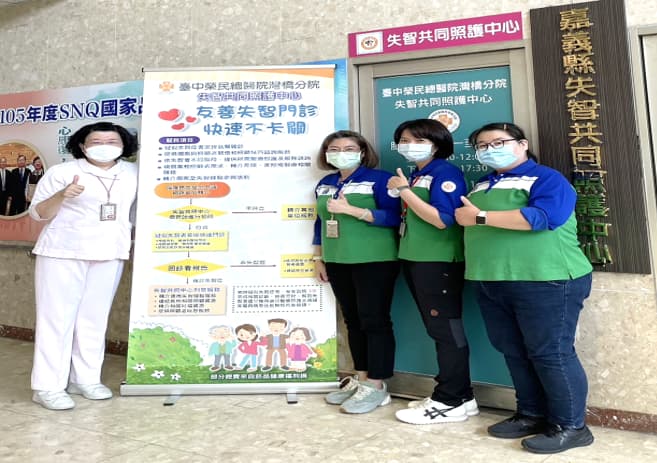
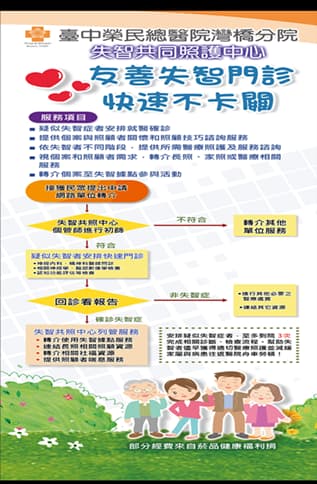
Description The Dementia Collaborative Care Center at our hospital is built on a person-centered care philosophy and provides an integrated dementia care model delivered by a multidisciplinary team. Services target individuals with suspected or diagnosed dementia, as well as their primary caregivers and community residents at high risk of dementia. Through a one-stop case management approach, the Center integrates medical care, long-term care, and community resources to provide comprehensive services, including early dementia screening, diagnostic assessment support, individualized care planning, coordination of long-term care resources, and continuous follow-up. This ensures continuity and accessibility throughout the care journey. Our multidisciplinary team includes physicians, nurses, social workers, occupational therapists, psychologists, and pharmacists. Standardized care pathways and referral mechanisms have been established, together with a Dementia-Friendly Outpatient Green Channel, which streamlines clinical visits and shortens waiting and assessment times. In addition, community outreach programs, community-based screening, and dementia awareness initiatives promote early identification, timely intervention, and effective integration of dementia care services across healthcare and community settings.
Person-Centered Integrated Dementia Care Model One-Stop 2.Case Management Across the Care Continuum 3.Multidisciplinary Team-Based Collaborative Care Dementia-4.Friendly Fast-Track Outpatient Pathway Community 5.Outreach, Screening, and Caregiver Support
Service Growth: The number of newly enrolled cases increased steadily over four years, more than doubling, with an overall growth rate of 115%.
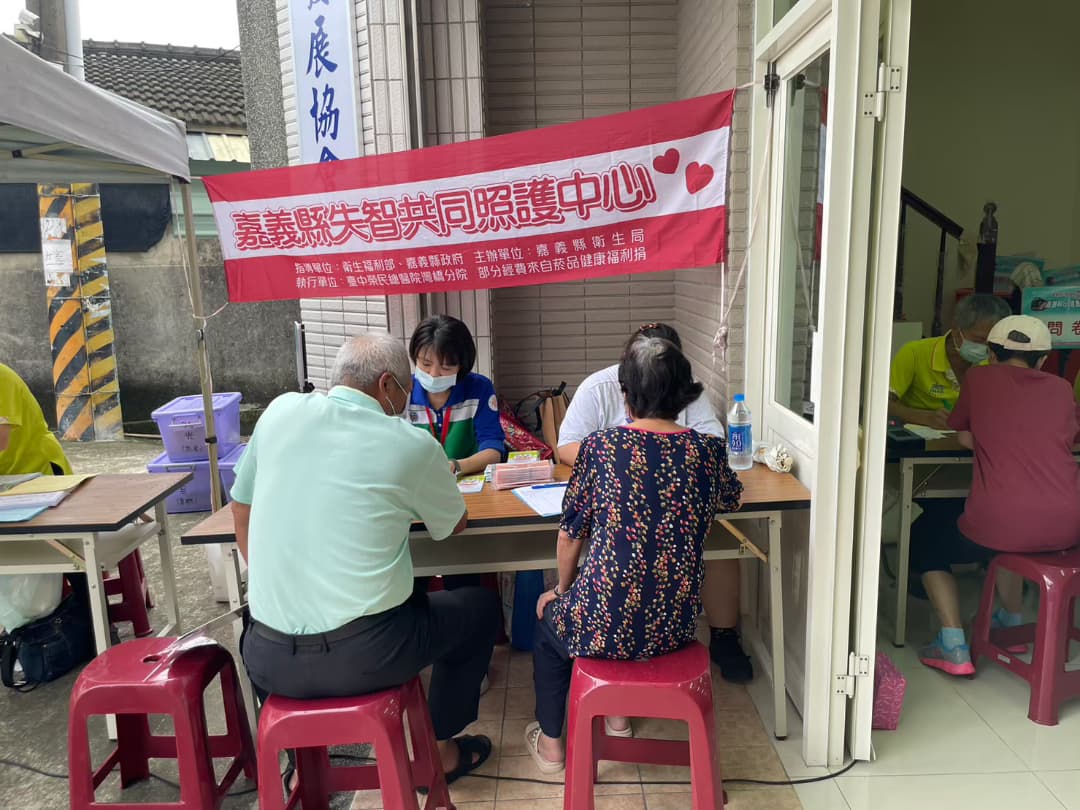
Community Screening: More than 800 AD-8 dementia screening assessments were completed. Individuals with AD-8 scores ≥2 were successfully referred for diagnostic evaluation, facilitating the early identification of dementia.
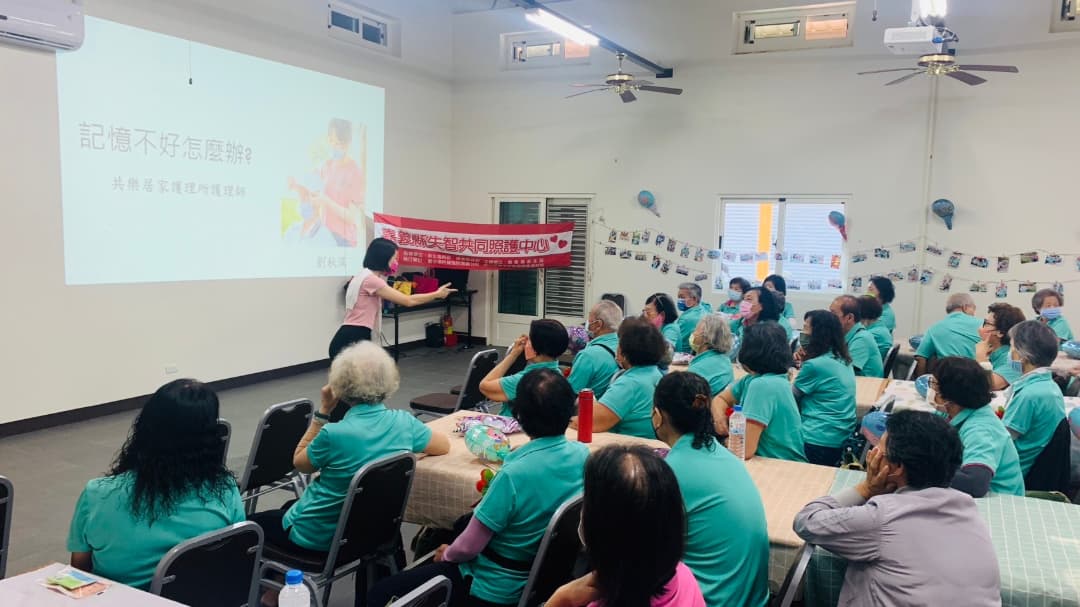
Community Outreach: Community education and referral activities increased significantly from 59 to 187 events, while diversified engagement strategies helped maintain service utilization and community participation.
Service satisfaction: 100%
New case growth rate: 115%
Early dementia diagnosis: Between 2023 and 2024, 51 individuals completed diagnostic evaluations, including 20 cases of very mild dementia and 14 cases of mild dementia, demonstrating successful early detection.
Zero complaints and zero appeals
Service satisfaction targets were consistently achieved from 2021 to 2024. Overall service satisfaction reached 100% in 2023–2024. Zero dissatisfaction and zero severe dissatisfaction reported.
Service satisfaction targets were consistently achieved from 2021 to 2024.
Overall service satisfaction reached 100% in 2023–2024.
Zero dissatisfaction and zero severe dissatisfaction reported.
High satisfaction rates demonstrate the maturity and effectiveness of the integrated dementia care model.
Aligned with the WHO Global Action Plan on the Public Health Response to Dementia. 2.Implemented evidence-based international dementia care guidelines.
Integrated internationally validated clinical evidence into care practice. Established a person-centered integrated dementia care model.
Aligned with global best practices in integrated dementia care.
Increased early detection and timely diagnosis of dementia. 2.Strengthened integration across healthcare, long-term care, and community services.
Reduced caregiver burden while improving caregiving quality and safety.
Expanded equitable access to dementia care, particularly in rural communities.
Developed a sustainable, scalable, and replicable person-centered dementia care model.